Diving Deep into a Pro YZ250 Engine: An In-Depth Build
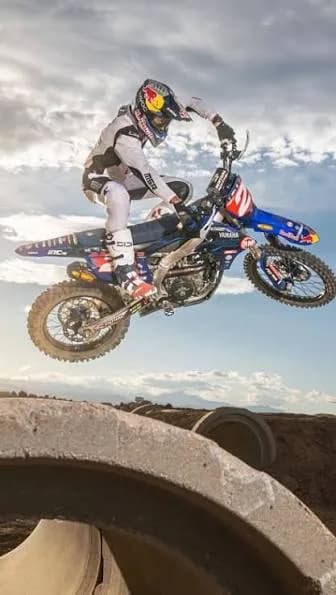
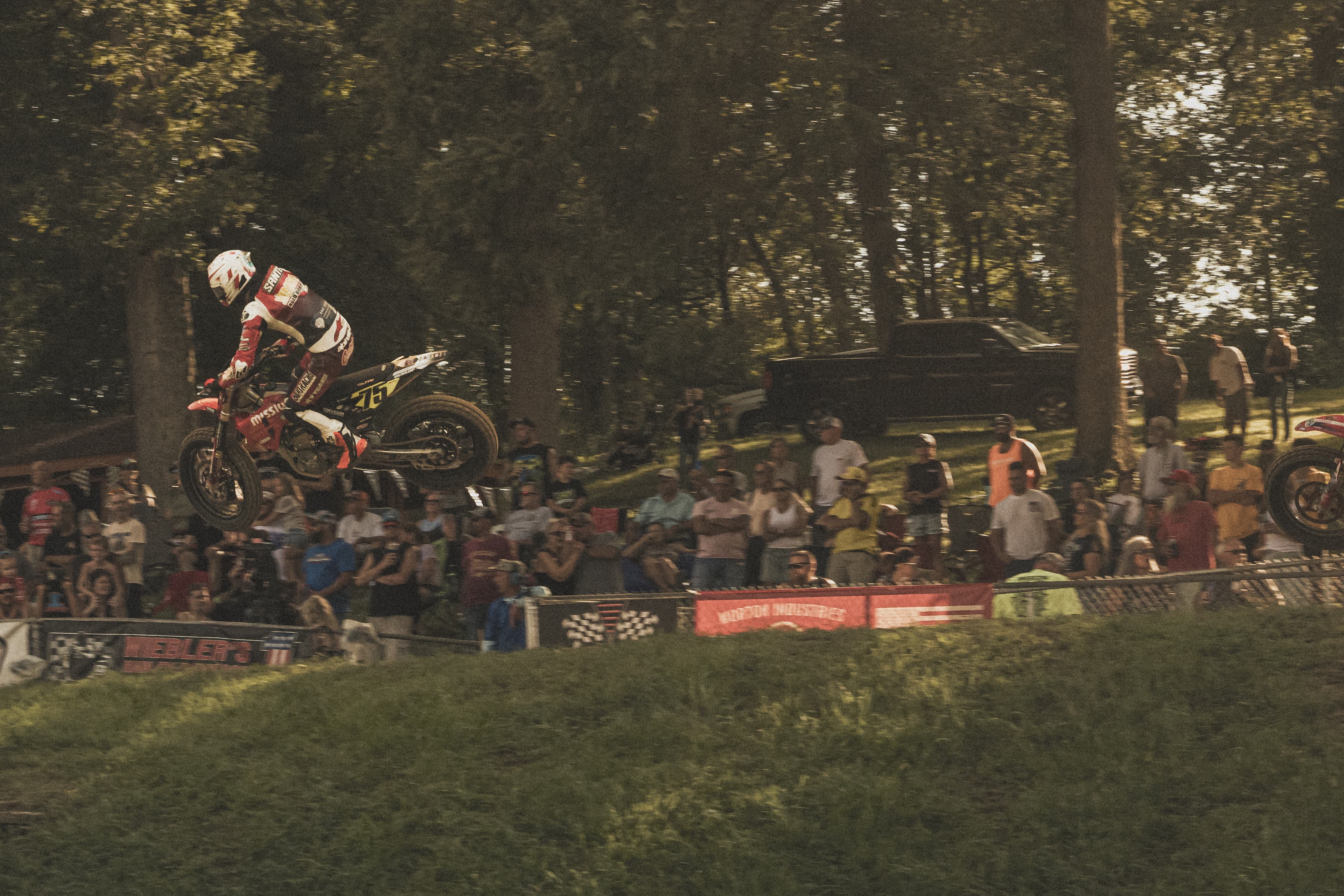
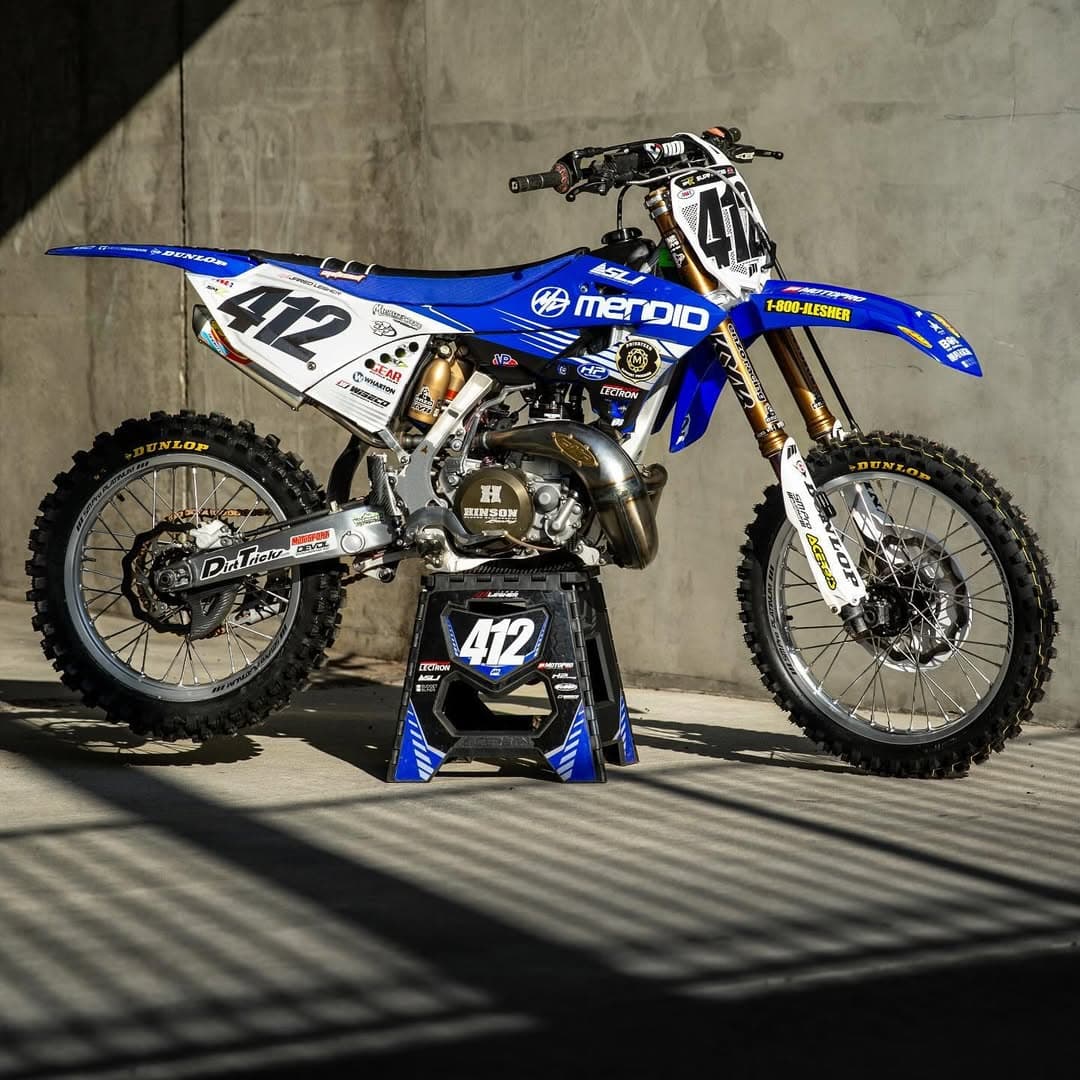
Welcome to the HP Race Development shop! Today, we're dissecting Jared Lesher’s YZ250 engine. This particular engine has seen extensive Supercross use, but recently developed a concerning knocking sound. Our initial inspection revealed the crank and rod were in good condition, but we suspect a failure in the main bearing. Now that the engine is on the bench, it's the ideal time to examine how we fine-tune these 2-stroke engines for professional racing and discuss the key design differences between the Yamaha YZ250 and modern KTM engines.
YZ250 Engine Build: Preparing for Outdoor Motocross
For this YZ250 rebuild, we're utilizing a Wiseco crankshaft and piston. It's crucial to note that we don't use a standard YZ250 piston; instead, we opt for a specialized Wiseco piston with a modified ring pin location. This configuration enables us to make specific adjustments to the 'B port,' resulting in a piston we believe is stronger and more durable than the standard YZ250 option.
This cylinder represents our third design iteration for Jared. Each version is carefully tuned for specific track conditions.
Supercross Spec: The 'Salt Lake' Configuration
The previous YZ250 setup, used for Supercross, was engineered with less peak horsepower and enhanced mid-range power. This helped to prevent the sub-exhaust valves from opening too aggressively, providing better control on tight Supercross tracks.
Outdoor Motocross Spec: Enhanced Peak Power
For the upcoming outdoor motocross races, we've slightly increased the exhaust port area. Our aim is to achieve approximately one additional horsepower at peak and a bit more over-rev compared to the Supercross configuration. This will allow Jared to maximize the open terrain of the outdoor circuits.
Technical Comparison: Yamaha YZ250 vs. KTM 2-Stroke Engines
While the YZ250 is a fantastic motorcycle, its design is based on an older platform, essentially derived from mid-90s Hondas. In contrast, KTM has continuously updated their 2-stroke package, resulting in a scavenging and port design that is approximately 20 years more modern. Let's explore three key differences we observe when comparing the cylinders side-by-side.
Exhaust Port Width: A Critical Difference
If we could magically modify the YZ250, we would increase the width of the main exhaust port. On the KTM, the exhaust port is significantly wider because they strategically repositioned the auxiliary ports. Unfortunately, we cannot replicate this on the Yamaha YZ250 because widening the main port would either compromise the thin bridge or interfere with the existing auxiliary ports. This design allows the KTM to have greater exhaust area with lower timing, ultimately improving the power spread.
Power Valve Mechanism: Yamaha vs. KTM
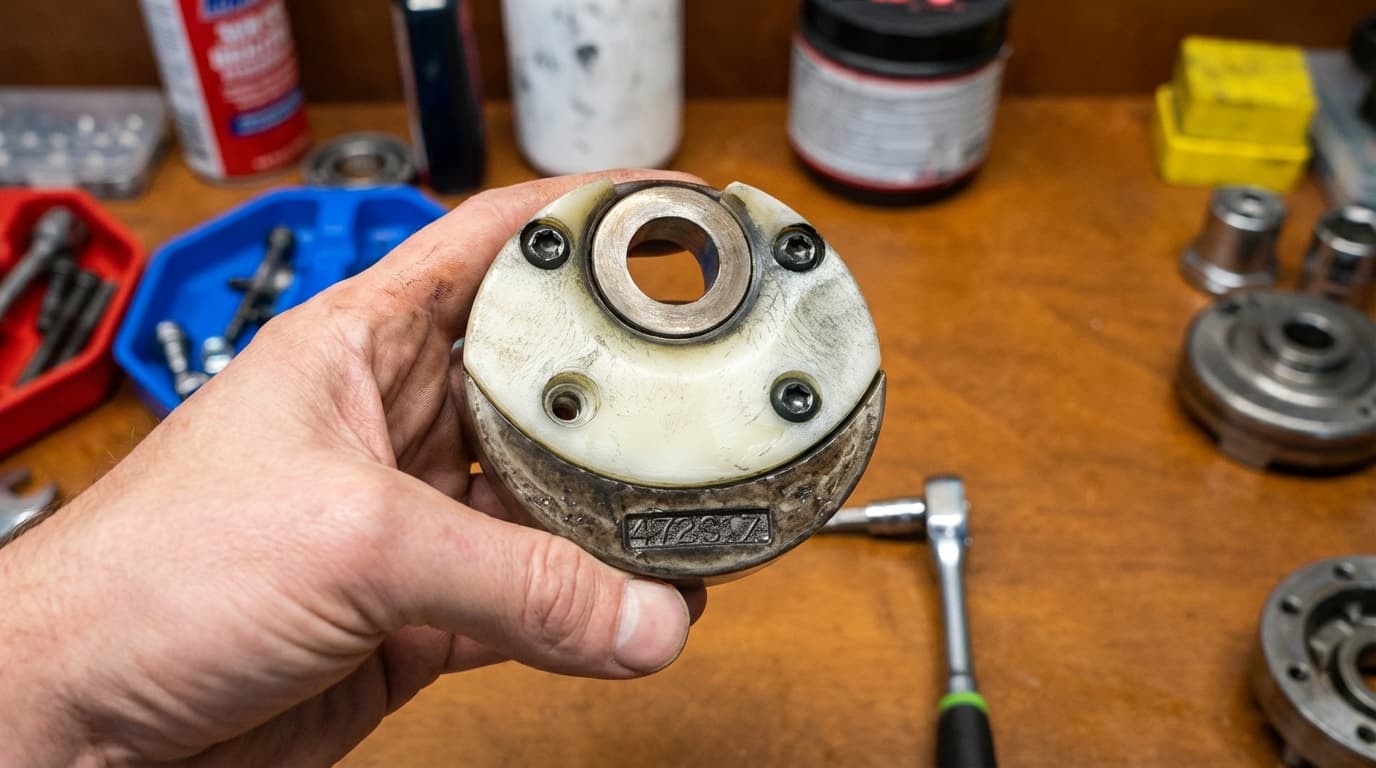
The Yamaha utilizes a guillotine-style 'gate valve' that snaps open – it's essentially either fully closed or fully open, with the only progressive feel stemming from the side valves opening slightly later. The KTM employs a significantly superior design where the valve controls the entire roof of the port, effectively acting as variable porting. This optimizes the exhaust port height at every RPM, whereas the Yamaha's exhaust port is only optimized for small windows when the valve is fully closed or fully open. This design advantage allows a well-tuned KTM to potentially produce 4 to 5 more horsepower than a well-tuned Yamaha YZ250.
Cooling Trade-Offs: A Yamaha Advantage
There is one area where the Yamaha design holds an advantage: compression. Because the KTM exhaust valve comprises the entire roof of the port, it cannot be water-cooled. This creates heat and increases the potential for detonation. Consequently, KTMs typically require lower compression ratios. The Yamaha YZ250 exhaust port is almost entirely water-cooled, enabling us to effectively remove heat from the fresh charge and safely run higher compression ratios.
Conclusion: Ready for the Track
We've reassembled the engine with a freshly Vapor-blasted cylinder and are eager to see how this new outdoor-focused porting performs on the track. A big thank you to Wiseco for their continued support of Jared’s racing program.
Visit Jared Lesher on instagram here https://www.instagram.com/jlesh412/
Frequently Asked Questions
What type of piston is used in Jared Lesher's YZ250 engine?
A specialized Wiseco piston with a modified ring pin location is used instead of the standard YZ250 piston. This allows for specific modifications to the 'B port' and results in a piston that is believed to be stronger and more durable.
What are the key differences between the Yamaha YZ250 and KTM 2-stroke engine designs?
The three major differences are exhaust port width, the power valve mechanism, and cooling. The KTM has a wider exhaust port and a superior power valve design, while the Yamaha has a better-cooled exhaust port allowing for higher compression.
What modifications were made to Jared Lesher's YZ250 engine for outdoor racing?
The exhaust port area was slightly increased to gain about one horsepower of peak power and achieve a bit more over-rev compared to the Supercross configuration.
Why does the KTM engine typically produce more horsepower than the Yamaha YZ250?
The KTM engine's superior power valve design, which controls the entire roof of the exhaust port, optimizes exhaust port height at every RPM. This allows the KTM to potentially make 4 to 5 more horsepower.
What is the advantage of the Yamaha YZ250's cooling system compared to the KTM?
The Yamaha's exhaust port is almost entirely water-cooled, allowing for effective heat removal from the fresh charge and the safe use of higher compression ratios.