Addressing Loose Crank Stuffer Bolts on Your KTM 85: A Pro Tip
Welcome to the HP Race Development blog! Today, we're diving into a critical issue often encountered during KTM 85 crankshaft rebuilds. If you're a rider or mechanic working on these bikes, pay close attention – this is a detail you don't want to miss.
The Symptom: Identifying Loose Stuffer Bolts
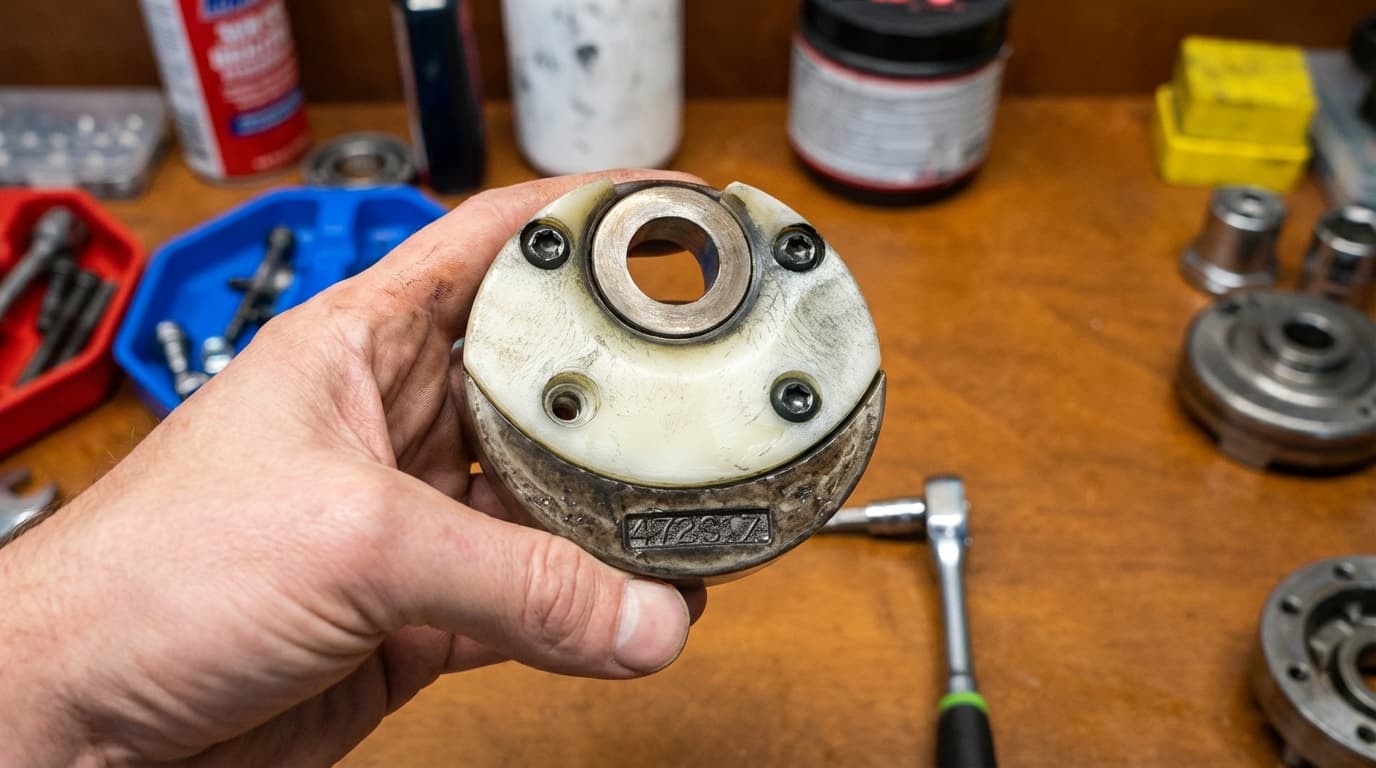
Recently, while rebuilding a KTM 85 crank that showed signs of overheating, we discovered a concerning issue: loose stuffer bolts. On some KTM 85 engines, these bolts have a tendency to loosen over time, a failure that can lead to serious engine damage. In this particular case, the bolt was exceptionally loose – easily removed by hand without any tools.
Diagnosing the Problem: What's Causing the Loose Bolts?
Debunking the KTM Factory Assembly Myth
There's a common misconception that KTM's factory assembly is to blame for this problem. However, our investigations suggest otherwise. When we removed the loose bolt, we found evidence of Loctite application from the factory. The issue isn't a lack of thread locker, but rather the extreme operating conditions within the engine.
The Real Culprit: Overheated Loctite
The intense heat generated within the KTM 85 engine can literally 'cook' the Loctite, rendering it ineffective and allowing the stuffer bolts to loosen.
The Root Cause: A KTM 85 Stuffer Bolt Design Flaw
While the assembly isn't necessarily at fault, there's a clear design limitation that contributes to the problem. The stuffer bolts tighten directly against the plastic stuffer material. This design prevents the bolt from achieving the necessary torque to remain secure under high heat and vibration found in KTM 85 engines.
The Ideal Solution: A Shouldered Crank Design
A superior engineering approach would involve a shouldered section on the crank itself, with the plastic stuffer fitting over it. This would allow the bolt to tighten directly against steel, enabling proper preload and maintaining tightness even under extreme conditions.
The HP Race Development Fix: Preventing KTM 85 Engine Failure
Until the design is updated, there's a mandatory procedure you should follow to prevent engine failure related to loose stuffer bolts. This is what the pros at HP Race Development do on every KTM 85 crank rebuild:
Whenever you're pressing a crank:
1. **Remove the Bolts:** Don't rely on the factory seating if the crank has been subjected to heat.
2. **Upgrade the Thread Locker:** Use high-temperature, high-strength Loctite specifically designed to withstand the heat cycles of these engines. Standard thread locker often fails.
3. **Reassemble:** Properly applied with the correct chemical compound, the bolts will remain secure. Following this procedure during your KTM 85 rebuilds will help prevent stuffer bolt issues.
Need your KTM 85 crank rebuilt the right way? Contact HP Race Development today!
Frequently Asked Questions
What is a crank stuffer bolt?
A crank stuffer bolt is a bolt used in the crankshaft assembly, specifically on KTM 85 engines, to hold the stuffer in place. These bolts are crucial for maintaining the integrity of the crankshaft.
Why do KTM 85 crank stuffer bolts come loose?
The primary reason for loose stuffer bolts on KTM 85 engines is the degradation of the factory-applied Loctite due to excessive heat. The design, where the bolt tightens against plastic, also contributes.
Is KTM factory assembly to blame for loose stuffer bolts?
While some may blame the factory assembly, evidence suggests that Loctite is applied at the factory. The problem lies in the Loctite's inability to withstand high engine temperatures.
What type of Loctite should I use for KTM 85 crank stuffer bolts?
You should use high-temperature, high-strength Loctite specifically designed to withstand the extreme heat cycles of KTM 85 engines. Standard thread locker is often insufficient.
What's the HP Race Development solution for preventing loose stuffer bolts?
HP Race Development recommends removing the bolts during a crank rebuild, upgrading to a high-temperature Loctite, and reassembling. This ensures the bolts hold securely, preventing engine failure.