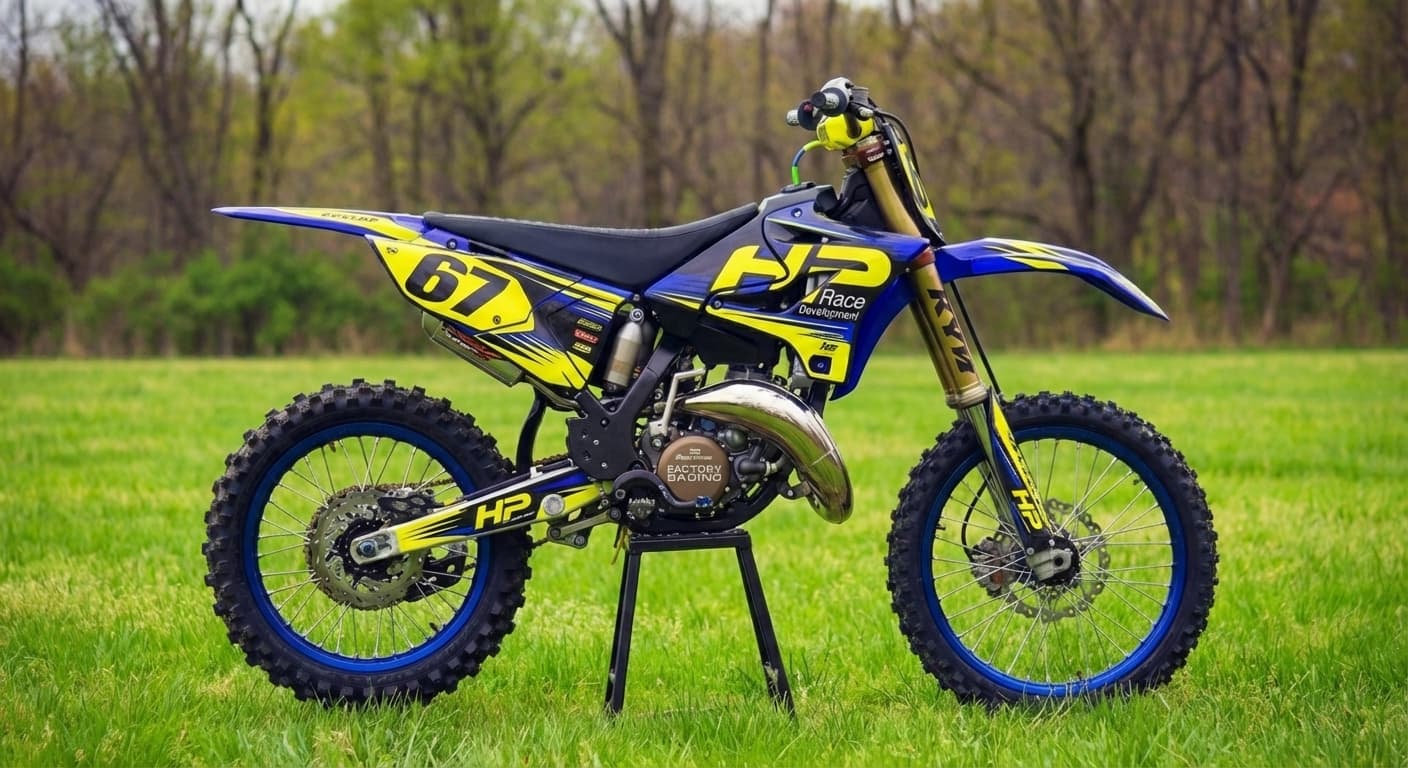
The Evolution of the YZ Big Bore: From 140cc Stroker to 45HP YZ144
If you're searching for information on our legendary 140cc stroker build from 2015, you've come to the right place! But the world of YZ125 performance has dramatically changed. Back in 2015, we created what we believed was the fastest YZ125 by building a potent 140cc engine. This build was special because it used a 2mm overbore combined with a 2mm stroker kit. This allowed us to optimize the port window area for incredible throttle response and massive torque, even surpassing many larger 144cc and 150cc bikes of that era. However, now it's 2026. The Yamaha YZ125 platform has evolved, and so have we. With the release of the 2022+ generation YZ125s, our focus has shifted to developing the ultimate YZ144 package. Whether you're looking for that vintage 140cc feel or modern race-winning power, here's everything you need to know about building a big bore YZ125 engine today.
The Pitfalls of Simply Boring Out Your YZ125 Cylinder
One of the most common questions we get is: why not just bore out the new OEM YZ125 cylinders? The truth is, simply increasing the cylinder bore creates significant engineering challenges that can negatively impact performance.
Port Geometry and Engine Scavenging
When you bore out a cylinder, the mathematical relationships that govern engine performance change. On a stock 125, the exhaust port width might be 90% of the bore diameter. If you increase the bore to 58mm (144cc) without modifying the ports, that percentage decreases, essentially choking the engine relative to its increased displacement. Even worse, you compromise the critical 'hooks' and directional angles of the transfer ports, which are essential for proper cylinder scavenging.
Port Timing Issues
Boring the cylinder lowers the port floor. This change alters the port timing, reducing the amount of time air has to enter the cylinder. Correcting this requires welding or epoxy, or grinding the transfer tunnels from the outside, which is extremely difficult and prone to error.
Physical Limitations of the YZ125 Engine
On the newer Yamaha YZ125 engine, using a 56mm bore (134cc) requires modifications to the power valves. If you attempt to go to a 58mm bore (144cc) using the OEM cylinder, the piston will physically hit the engine cases. To make it fit, you have to split the cases and grind them down – a major undertaking. Simply boring a stock cylinder and re-plating it will likely lead to disappointment; it will barely outperform a stock 125.
The Modern YZ144 Solution: The Athena 144 Kit
For the 2022+ YZ125 models, we've transitioned to using the Athena 144 kit. While we had reservations about their older kits, they've addressed all of our previous concerns. This kit is a complete, purpose-built cylinder casting, which means you don't have to compromise your original OEM 125 cylinder. It features a two-piece O-ring head that allows for interchangeable domes, and the porting configuration offers a fantastic base for further tuning. Most importantly, it's a bolt-on kit that requires no case grinding, simplifying the installation process.
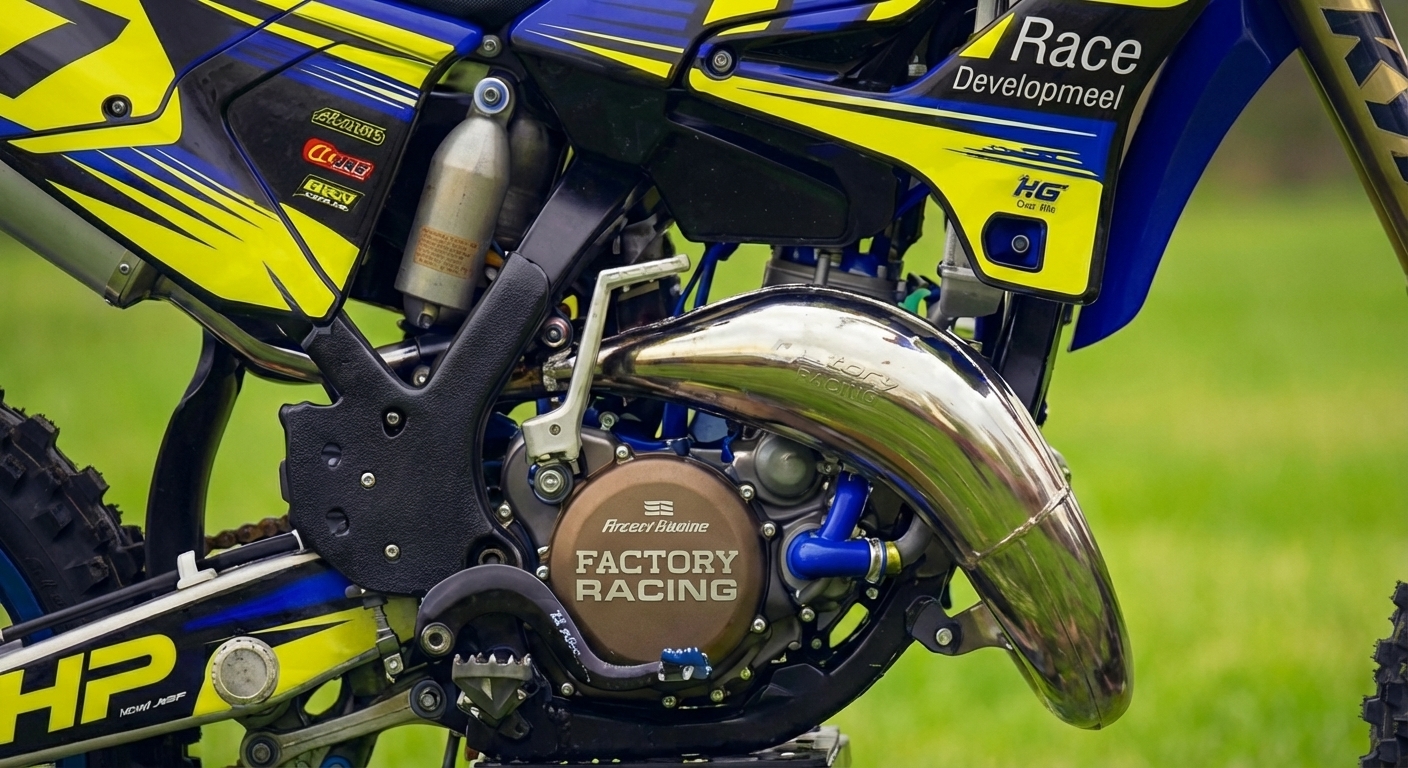
YZ144 Dyno Numbers: Power Comparison
Here at HP Race Development, we are all about the dyno numbers! To provide context for 2026, here's how the power numbers stack up for the YZ125 and YZ144 compared to other bikes:
• Stock YZ125: ~33 HP. This is our baseline measurement. • Athena 144 (Box Stock): ~37 HP. A noticeable improvement, but we know we can achieve more. • HP Race Development Tuned 144: Our current development bike is producing between 41 and 42 HP. • The Competition: For comparison, a stock YZ250F produces just under 40 HP. The 2026 Works Edition Honda CRF250R is raising the bar even higher. Our current tuned 144 is surpassing stock 250Fs, and with our upcoming high-compression heads and additional port work, we are targeting the 44 to 45 HP range.
Who is the YZ144 Big Bore Kit For?
Big bore two-strokes are perfect for riders who want to maximize their fun on the track. They're lightweight, sound incredible, and demand real rider skill. However, lazy riders beware: this bike demands attention. Unlike electric bikes or four-strokes, you need to actively shift, use the clutch, and rail through turns to stay in the powerband. But for skilled riders, the 144 offers a broad spread of power that makes it incredibly fun to ride and competitive in the right hands.
Ready to Build Your Ultimate YZ144?
We now offer these fully prepped Athena 144 kits directly through our website. We've conducted extensive R&D to optimize port widths, timings, and angles, saving you the trouble of doing the calculations yourself. Check out the video below to see the dyno runs and experience the sound of this incredible YZ144!
Frequently Asked Questions
What are the advantages of a YZ144 big bore kit over a stock YZ125?
A YZ144 big bore kit provides increased horsepower and torque compared to a stock YZ125, resulting in improved acceleration and overall performance on the track.
Why is it not recommended to simply bore out the stock YZ125 cylinder?
Simply boring out the stock cylinder can negatively impact port geometry, port timing, and engine scavenging, leading to a decrease in performance rather than an improvement. It can also cause physical interference with engine components.
What makes the Athena 144 kit a better option for upgrading a YZ125?
The Athena 144 kit is a purpose-built cylinder casting designed to optimize performance and avoid the issues associated with simply boring out a stock cylinder. It provides improved porting, is a bolt-on solution requiring no case grinding, and has a two-piece head design.
What kind of horsepower gains can I expect from a tuned YZ144 kit?
While a stock Athena 144 kit yields around 37 HP, an HP Race Development tuned 144 kit can produce between 41 and 42 HP. Further modifications like high-compression heads can potentially increase horsepower to the 44-45 range.
Is the YZ144 big bore kit suitable for all riders?
The YZ144 big bore kit is best suited for experienced riders who are comfortable actively shifting and using the clutch to stay within the powerband. It demands skill and precision but offers a rewarding riding experience.